Window Rehab Training: A Win-Win for Environmental and Economic Sustainability


Looking for more articles, information, and discussions of cutting-edge issues in historic preservation?  Join the National Trust Forum, the National Trust membership program for professional and volunteer preservation leaders. You will become part of a national network of committed and experienced preservationists and have access to valuable print and online resources and other benefits. To learn more about the perks of Forum membership, visit preservationnation.org/forum/joinforumnow.html.

***

Jobs are tough to find right now. Programs that create sustainable jobs and practice environmental sustainability? Rarer still. That’s changing in Michigan with an innovative partnership between the Michigan Historic Preservation Network (MHPN), the State Historic Preservation Office (SHPO), and the City of Kalamazoo.

MHPN and the SHPO were looking for productive ways to respond to two challenges. The first is Michigan’s high unemployment rate. In particular, with construction activity down, contractors, architects, engineers, and others are finding themselves furloughed or unemployed. With an unemployment rate eclipsing that of the national average, job creation in Michigan has become critical.

Windows
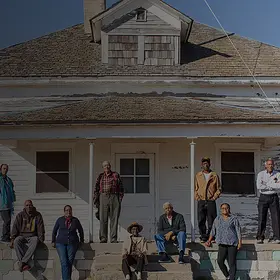
Students and trainers pose with MHPN's Nancy Finegood (second row, third from right), SHPO Brian Conway, and Kalamazoo Preservation Coordinator Sharon Ferraro (first row, first and second from left).

Credit: Pamela Hall O'Connor

Their other concern is the widespread misperception that it is always more energy efficient to replace older windows than to maintain and repair them. While the SHPO and MHPN understood the theory of “why window rehab is better,” they had trouble getting property owners to put that into practice, because 1) not enough people know that older windows can be made to be as energy efficient as new ones (along with offering other environmental benefits), and 2) not enough people are qualified to rehab old windows.

Their solution was to offer experienced craftspeople in-depth training in window rehabilitation and repair. This built on the MHPN’s well-established Practical Preservation Workshop training.

The SHPO and MHPN chose to partner with the City of Kalamazoo (halfway between Detroit and Chicago) because it already had a decades-long reputation for leadership in preservation planning and practice. Sharon Ferraro, Kalamazoo’s preservation coordinator, says of the time before she was hired, “When I served on the local historic district commision well over a decade ago, our biggest problem was finding qualified window rehabbers.” Fast forward to 2009, and one new, small Kalamazoo company was specializing in window rehab, an idea that Ferraro had convinced local entrepreneurs to take on. As well, Kalamazoo’s Old House Network, also in part Ferraro’s idea, had been teaching owners how to care for their older homes in weekend workshops for five years.

According to Bryan Lijewski of Michigan’s SHPO: “The SHPO has had a long-term positive relationship with the City of Kalamazoo and its historic property owners through many of our preservation programs. With the convergence of several issues including historic preservation, job creation, sustainability, energy efficiency, and the real need for qualified individuals to do window rehab work, the window workshop was the ideal solution.”

Offered in July, the window rehabilitation and repair program attracted more than 30 applications, from which 12 people were chosen to receive two weeks of free training. It was funded through a federal Certified Local Government grant made to the City of Kalamazoo.

Windows
Student Doni Hagan reinserts sash weights into a home's second story window.

Credit: Pamela Hall O'Connor

True to the collaborators’ hopes, the graduates are now also the state’s newest educators, able to spread the window-preservation message locally in an experience-based and factual way. Graduate Doni Hagen says, “I make it a practice to stop and speak with owners and contractors about their plans for the existing windows, and strongly advocate for restoration rather than replacement.” Hagen’s comment is supported by graduate Lorri Sipes, who says, “I have been talking to as many people as I can, promoting both the ‘green’ aspects and lower cost of repair.”

Nancy Finegood, MHPN’s executive director, summed it up: “Many of the participants knew little about preservation and how to treat historic properties. This program created an enthusiastic group of skilled window rehabbers and new preservation advocates in Michigan.”

The environmental and economic sustainability aspects of the program are obvious: Repairing windows keeps valuable old-growth material out of the landfill. And well-trained wood window rehabbers are well paid and their jobs are local, so much of their spendable income stays where they live. It’s a win-win collaboration. The best part? The outcomes were so positive that two additional workshops are proposed for 2010. If approved, there will be yet another win for the state: Applications will be sought from contractors and volunteers who work with low-income housing projects.


Powered by Convio
nonprofit software