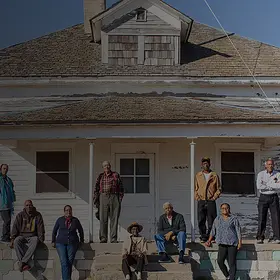
Neighborhood Schools
Renovating existing schools or re-using buildings for school use is a sustainable practice and can help promote better air quality by decreasing vehicle miles traveled. By choosing to locate schools near the residents they serve, communities can revitalize older neighborhoods, foster a strong sense of place, encourage walking and biking, help reduce sprawl, and protect open space and agricultural lands.
Through the Helping Johnny Walk to School: Sustaining Communities through Smart School Policy program, the National Trust provides grants, technical assistance, and new research to encourage community-centered schools. Such schools "anchor" the local neighborhood and can help communities meet their educational, public health, and sustainability goals. Supported through a cooperative agreement with the U.S. Environmental Protection Agency, the program encourages states to remove barriers that discourage community-centered schools.
Our Position
The National Trust for Historic Preservation advocates for the continued use of older and historic neighborhood schools as an anchor for healthy communities. We seek not only to reaffirm the contribution made by historic neighborhood schools to their communities, but also to provide policy direction for state policy makers and for community preservation advocates who help shape state policies.
Learn More
Policy Resources
- Why Johnny Can't Walk to School in the Age of Sprawl (pdf)
- Model Public Policies and Historic Schools (pdf)
- How States Can Support or Undermine Neighborhood Schools and Community Preservation (pdf)
- State Policies for School Construction and Renovation (pdf) (state by state information)
Advocacy Resources
- Historic Neighborhood Schools Deliver 21st Century Educations (pdf)
- Restoration vs. Replacement—The Role of a Feasibility Study (pdf)
- A Roadmap for Saving Your School (pdf)
- Smart Growth Schools: A Fact Sheet
Case Studies
Partner Organizations
- American Architectural Foundation
- Building Educational Success Together
- Centers for Disease Control and Prevention
- Council of Education Facility Planners International
- U.S. Environmental Protection Agency
- Enterprise Foundation
- International City/County Management Association
- National Association of Realtors
- National Center for Safe Routes to School
- National Clearinghouse for Educational Facilities
- National Conference of State Legislatures
- National Governors Association
- The Rural School and Community Trust
- Safe Routes to School National Partnership
- Save Our Land, Save Our Towns
- US Green Building Council
To raise awareness about the important link between community vitality and walkable neighborhood schools, the National Trust placed historic neighborhood schools on the list of America's 11 Most Endangered Places, published the seminal publication, Why Johnny Can't Walk to School: Historic Neighborhood Schools in the Age of Sprawl and developed advocacy resources and researching policies affecting school siting decisions.
Problematic policies citied in Why Johnny Can't Walk to School were often based on outdated guidelines first published by the Council of Education Facility Planners International and adopted by many state departments of education. Now, by adopting CEFPI's revised guidelines, communities can invest responsibly in their schools while preserving their neighborhoods and conserving historic and natural resources.