Public Lands Initiative
The National Forest System: Cultural Resources at Risk
National Trust for Historic Preservation Releases Report Recommending Forest Service Protect Its Culturally and Historically Significant Places. Learn More
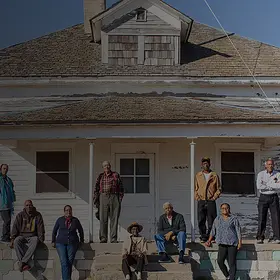
White Grass Dude Ranch, Grand Teton National Park, Moose, Wyoming
With fundraising support from the National Trust for Historic Preservation, this ranch will be preserved and used for training in the restoration of historic rustic structures. Learn More
Cannonball Pueblo, Canyons of the Ancients National Monument, Dolores, Colorado
Cannonball Pueblo is representative of the numerous significant Native American and archaeological sites found on BLM lands across the West. Learn More
Historic Preservation and Federal Public Lands
Our Position
The National Trust for Historic Preservation is dedicated to the protection and enhancement of cultural and historic resources on federal public lands. We are focused on ensuring that federal land management agencies recognize and achieve their stewardship responsibilities for cultural and historic resources.
Learn More
For over 20 years, the National Trust has advocated for the preservation of historic and cultural resources on federal public lands. The Bureau of Land Management (BLM), the Forest Service (USFS) and the National Park Service (NPS) control millions of acres of land rich in resources, ranging from Native American cliff dwellings and sacred sites to ranger cabins and early twentieth-century dude ranches. A variety of factors, including inadequate survey information about cultural resources, insufficient funding, pressure from competing uses like energy development and recreation, and lack of agency will, combine to expose resources on these lands to many types of threats.
The National Trust's Role
- Strengthen the preservation ethic at the BLM, USFS and NPS;
- Develop survey data on the location and significance of cultural resources to improve agency decisions on appropriate land use;
- Increase funding for resource protection;
- Seek to ensure agency compliance with existing legal requirements;
- Develop increased public awareness, involvement, and participation in saving cultural resources on public lands; and
- Improve National Trust resources and capacity for dealing with historic and cultural resources on public lands.
Some of the keys to achieving these stated goals lie in the Trust’s efforts to develop partnerships with conservation groups, Native American tribes, industry, and recreational users of public lands; and, expanding upon the Trust’s previous work of identifying and participating in key pilot projects with federal agencies that save cultural resources and historic places on public lands.
Many of our nation’s most endangered cultural resources are located on public lands, including sites that are listed on the National Trust's Eleven Most Endangered Historic Sites List.
Resources
National Trust Grants to Federal Land Management Agencies, 1997-2007
A summary of grants given by the National Trust between 1997 and 2007 to the Bureau of Land Management, National Park Service, and U.S. Forest Service to benefit significant prehistoric and historic sites managed by these agencies.
Summary of the Public Lands Initiative
A summary of the Public Lands Initiative through which the National Trust advocates for the preservation of prehistoric and historic resources managed by the Bureau of Land Management, National Park Service, and U.S. Forest Service.
Summary of the National Trust's Public Lands Legal Advocacy (July 2007)
A report summarizing recent efforts by the National Trust's law department to protect prehistoric and historic resources on federal public lands from the adverse effects of inappropriate planning decisions, off-road vehicle use, and oil and gas development.
Statement of National Trust President Richard Moe on June 5, 2008 before the Senate Energy and Natural Resources Committee outlining the management of Off-Highway Vehicles (OHVs), which have become one of the most significant and widespread threats to cultural resources on public lands.