Santa Fe Indian School Razes 18 Buildings
By Eric Wills | Online Only | Dec. 15, 2008
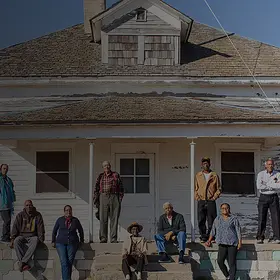
The demolitions happened quickly and without warning: The Santa Fe Indian School, run by 19 Native American pueblos in New Mexico, razed 18 of the campus' oldest buildings late this summer and early this fall, arguing that they were laden with asbestos and too costly to renovate.
Preservation groups decried the decision, noting that the buildings—some dating to the 1800s—were eligible for listing on the National Register. And so began a public and occasionally uncomfortable discussion about sovereignty, history, and preservation on Native American lands.
The initial spark was struck in July, when city council members and preservationists happened upon the school as a bulldozer destroyed six buildings in three hours, leaving behind piles of rubble. A dining hall, classrooms, and an administration building were among the buildings eventually razed.
Some preservationists said the buildings were significant examples of Pueblo Revival architecture—a mixture of Spanish Colonial and American Indian styles—and lamented the loss of a prized collection of murals painted on various walls by noted alumni such as Pablita Velarde. They also questioned whether the buildings were torn down in violation of preservation laws.
The Bureau of Indian Affairs, which holds the school's land in trust for the pueblos, responded that the lands are not subject to federal oversight or to Section 106 of federal preservation laws.
School officials, who did not respond to Preservation's phone calls, emphasized their control over the land in a statement: "After completing various assessments over the past five years, the Santa Fe Indian School exercised its sovereign authority and due diligence to take action by demolishing buildings to remove the imminent health, safety, and security threats to protect the students and staff of SFIS, including the general public."
Members of the pueblos also spoke about the painful history of the schools, which were a place where children were taken from their parents and "acculturated," or stripped of their heritage. A Pueblo governor reportedly called the demolition of the buildings "a spiritual cleansing" for his people.
The school began building a $31 million campus in 2006 using Congressional funds. The new dorms, classrooms, and plaza were designed by Van Gilbert, an Albuquerque architect, with traditional building materials such as vigas and adobe.
School officials did not allow preservation groups to document the historic buildings before they were demolished or salvage companies to save some of the wood, brick, and other materials. "What I am certain of," wrote Alan Watson, a local preservationist in an op-ed in the Santa Fe New Mexican, "is that the school's officials have set a poor example of civic leadership to their students."
For more photos, stories, and tips, subscribe to the print edition of Preservation magazine.
Subscribe to the Today's News RSS feed
Comments


Submitted by Tom Smith at: January 7, 2010
Thanks for taking the time to discuss this, I feel strongly about it and love learning more on this topic. If possible, as you gain expertise, would you mind updating your blog with more information? It is extremely helpful for me.
Submitted by Julia at: May 8, 2009
GET OVER IT!!!!!!!! YOU DONT KNOW WHY THIS HAPPENED!!!!!!!!!
Submitted by dis girl at: May 8, 2009
you have a nice school and i might go there next year and you students are smart
Submitted by Student at: February 26, 2009
I think that many people pondered with this situation. Yes it is historical. Yes it was done clandestineley...but how else would you have done it. If you never went to school here and never had the experience, then you wouldn't know. Yes there is a lot of good memories here but there is also bad ones. For example the reason this school was built. I am a student at the Indian School and i honestly think that they tore down the buildings with goo meaning. The people that made this decision did it for the well being of the students, staff, parents, visitors etc.
Submitted by Santa Fe Review at: February 25, 2009
Anyone interested can read the details at http://santafereview.com/sfis.html.
Submitted by llakin at: February 9, 2009
I just read about this on NY Times electronic edition 2/9/09
Submitted by Good Grief at: January 12, 2009
Now THAT's the way to do it. Tear it down at daybreak before you space invaders start sticking your nose where it doesn't belong. Indians 1, busybodies 0.
Submitted by Anonymous at: December 18, 2008
They destroyed their own history, especially if nothing was documented. Even concentration camps in Germany still exist as tools to educate about the horrors of the past. If they truly felt confident in their decision and authority they should have let outsiders document and salvage the building materials.
Submitted by KarlaD at: December 16, 2008
No matter what they tell you, the BIA is wrong and minimally violated its responsibilites under the NHPA and NEPA and other laws by allowing this to occur without the required reviews. The buildings were eligible but not listed. Despite the view that this was a "spiritual cleansing", there are many among ex-students and faculty who are just as appalled with this illegal action as the preservation community. Having worked for 20 years to ensure a tribal voice in federal actions and especially in working for land and property transfers to tribes for cultural preservation, I am deeply disappointed by the actions of the non-sovereign pueblo consortium and the BIA. I will no longer make any assumptions that they would be any more inclined to respect the law than any other developer. This was incredibly wasteful and disrespectful to the history and our community. The silence from those who should be investigating this has been disappointing as well.