Register   |    Login

Helping people protect, enhance
and enjoy the places that matter to them

Rachel Carson Homestead Association

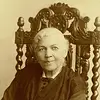
Over a half century ago, the future of our planet was on the mind of one important woman who decided to dedicate her life and career to conservation.  Her work led to the ban of harmful pesticides and the creation of the Environmental Protection Agency (EPA).  This woman was Rachel Louise Carson, the mother of the modern global environmental movement.  

Today, we are faced with a growing environmental crisis - glaciers are melting, plants and animals are being forced from their habitats, and the number of severe storms and droughts are increasing.  This crisis has been a concern for many years. 

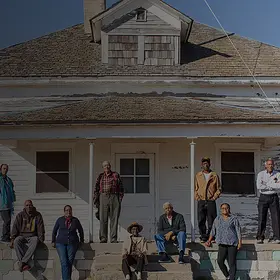
And now you have the opportunity to help us preserve and interpret her legacy for many generations to come.  Our Place That Matters is the Rachel Carson Homestead, her birthplace and childhood home.  This remarkable writer, scientist and ecologist was born of modest means on May 27, 1907 on a 65-acre family farm in Springdale, Pennsylvania. Her mother bequeathed to her a life-long love of nature and the living word that Rachel expressed as an advocate for the proper use of agricultural insecticides. 

Carson was groomed from an early age with a love of learning.  It has been told that she spent much of her formative years reading to her dog, Candy, as a self-teaching mechanism to overcome a speech impediment.  Despite her struggles, she enjoyed great success early in life. She was published nationally at age 11, graduated magna cum laude with a degree in biology from Pennsylvania College for Women (now Chatham University) in 1929, received a master's degree in zoology from the John Hopkins University in 1932 and became the second woman hired to a full-time professional position with the U.S. Bureau of Fisheries in 1936.  

As Carson's career with the Bureau flourished, so did her literary career.  Her most notable work, Silent Spring, published in 1962, served as a rallying point for the fledgling environmental social movement in the 1960s.  While Carson's claims encountered fierce criticism from powerful chemical companies, no writer since has been able to sell pollution as the necessary underside of progress so easily or uncritically.

Carson's legacy and the activism it inspires is best summed up by former Vice President Al Gore, who visited the Homestead in 2000: "she brought us back to a fundamental idea lost to an amazing degree in modern civilization - the interconnection of human beings and the natural environment."

Now imagine standing in the childhood home of this environmental pioneer.  Imagine walking the narrow staircase to the bedroom where she penned her early works or on the grounds that first triggered her sense of wonder.  The experience is awe-inspiring but will be lost to future generations unless the property can be restored.

As we approach the 50th anniversary of Silent Spring, our greatest environmental challenges lie ahead.  While Carson's legacy endures, much work remains.  Protecting and restoring this special place will ensure that it will not only matter to the citizens of Pittsburgh but to us all.

The information provided on Community Challenge pages is provided "as is," and the National Trust for Historic Preservation does not make any representations, endorsements, or warranties (either expressed or implied) on any comments, reviews, or suggestions posted. Neither does the National Trust assume responsibility or liability for the same.