Charlotte Dupuy
Click Image to Enlarge
Letter written by Robert Beale on behalf of Charlotte Dupuy petitioning the Judges to summon Henry Clay to court.
Credit: National Archives, Washington, DC
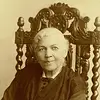
Charlotte Dupuy, a woman enslaved at Decatur House by Secretary of State Henry Clay, sued him for her freedom and that of her two children, Charles and Mary Ann, in 1829, seventeen years before Dred Scott filed his well-known legal challenge to slavery. She based her claim on a promise of freedom made to her by her previous owner, which she believed transferred to Henry Clay when he purchased her in 1806, after she married Aaron Dupuy, a man already enslaved in Clay's household.
As the petition from Dupuy's attorney shown above indicates, Clay's preparations to leave the capital dictated the timing of her legal challenge. Indeed, Clay took Dupuy's husband and children back to Kentucky with him, but she remained in Washington. Letters Henry Clay wrote also evidence his anxiety about the outcome of the case and reveal that while the case was being decided, Charlotte Dupuy continued to reside at Decatur House earning wages working for the home's next resident, Secretary of State, and later the 8th President, Martin Van Buren.
After the court denied her petition, Charlotte Dupuy refused to return to Kentucky, and as a result, authorities jailed her in Alexandria, Virginia, until arrangements could be made for her transport. When Clay wrote to his agent to approve of Dupuy's imprisonment, he reported that, ". . . her conduct has created insubordination among her relatives here, I think it high time to put a stop to it, which can best be done by her return to duty."
Eleven years after her lawsuit, in 1840, Henry Clay granted Charlotte and Mary Ann Dupuy their freedom. Charles Dupuy remained enslaved by Clay for another four years, during which he traveled with Clay to speaking engagements throughout the country, portrayed by Clay as an example of how well he treated his slaves.
Related Subjects:
Resistance to Slavery
| Title | Description |
|---|---|
| Paul Jennings' Letter | Reading of letter from Paul Jennings to Daniel Webster. |
| Paul Jennings | Paul Jennings |
| Frederick Douglass | Revered African American leader. |
| First page of a letter from Henry Clay to his agent in Washington, Philip Fendall, regarding Charlotte Dupuy's petition for freedom | Letter written written by Henry Clay to his agent in Washington, Philip Fendall, regarding Charlotte Dupuy's bid for freedom. |
| Ewell House | Buying, selling, and resisting. |
| Dolley Madison's House | A former slave shows charity toward an impoverished First Lady. |
| Decatur House | Where Charlotte Dupuy takes a brave stand against slavery. |
| Daniel Webster's House | A slave plans a daring escape, but has a change of heart... |
| Charlotte Dupuy's Petition | Letter written by Robert Beale on behalf of Charlotte Dupuy petitioning the Judges to summon Henry Clay to court. |
| Bill of Sale for Charlotte Dupuy to Henry Clay | Bill of Sale for Charlotte Dupuy from James Condon to Henry Clay. |
Enslaved People
| Title | Description |
|---|---|
| Weddings at St. John's Church | Selected entries from the St. John's Church marriage register. |
| Thomas Greene Bethune [Wiggins], 1849 -1908 | Photograph of blind piano prodigy Thomas Greene Bethune, the first African American artist to perform at the White House. |
| The White House | From slavery to sit-ins.... |
| Tayloe House | Compensated emancipation, only in DC... |
| St. John's Church | Free and enslaved African Americans are married and baptized at the President's parish... |
| President's House Carpenters' Roll from May 1795 | Payment record for carpenters,including five enslaved men, who constructed the President's House. |
| Paul Jennings | Paul Jennings |
| Members of Gadsby's Enslaved Household | A list of their names and ages. |
| Lafayette Square | An enslaved woman buys her freedom and changes the nation's history.... |
| Gadsby Slave Quarters at Decatur House ca.1937 | Photograph taken by Volkmar Wentzel in 1937 showing the H Street side of the slave quarters at Decatur House. |
| Frederick Douglass | Revered African American leader. |
| First page of a letter from Henry Clay to his agent in Washington, Philip Fendall, regarding Charlotte Dupuy's petition for freedom | Letter written written by Henry Clay to his agent in Washington, Philip Fendall, regarding Charlotte Dupuy's bid for freedom. |
| Ewell House | Buying, selling, and resisting. |
| Emancipation in the District of Columbia - List of the Petitions Filed | Government document showing claims paid for emancipated slaves to the former owners. |
| Elizabeth Keckly (1818-1907) | Elizabeth Keckly was born into slavery in 1818. She went on to purchase her own freedom and establish a successful dressmaking business. |
| Dolley Madison's House | A former slave shows charity toward an impoverished First Lady. |
| Decatur House Slave Quarters Floor Plans | Floorplans and architectural drawings of the Decatur House slave quarters. |
| Decatur House Slave Quarters | Men, women, and children from two families living together in 900 square feet... |
| Decatur House | Where Charlotte Dupuy takes a brave stand against slavery. |
| Daniel Webster's House | A slave plans a daring escape, but has a change of heart... |